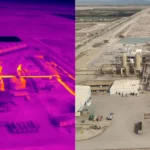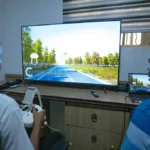
Our newest cohort of trainee drone pilots started drone pilot training in Port Harcourt on July 13th. For the next few weeks, they will be engaged in the classroom, on the simulator, and preparing for their first supervised flights.
If you have ever wondered what that first week actually involves, here is a real look inside it.
Day One: Certification, Not Just Class
Week one starts with the fundamentals, but not generic ones. Every student begins working toward an NCAA-certified license, delivered by instructors who are active commercial drone pilots, not classroom-only trainers.
New trainees choose one of three paths depending on their goals:
- The Basic RPAS Certificate, a 5-day foundation course for first-time flyers
- The VLOS Remote Pilot License, a 15-day programme for aspiring commercial pilots
- BVLOS Advanced Operations, a 7-day course for certified VLOS pilots moving into enterprise-grade missions
Most of this cohort entered through the VLOS track, the standard starting point for anyone building a long-term drone career.
What the Classroom Phase Covers
Early sessions focus on the knowledge base every certified pilot needs: airspace regulations, flight theory, weather interpretation, and safety protocols. This is where trainees build the foundation the NCAA certificate actually verifies.
It is also where the class size matters. Small cohorts mean instructors catch gaps in understanding early, before students move to hands-on flight training.
Simulator Training Before Real Flight
Before anyone touches a live aircraft, trainees work through simulator sessions. For VLOS students, this is an intensive block. For BVLOS trainees, simulator work extends into advanced mission scenarios that mirror real enterprise operations.
This step matters because it lets students make early mistakes safely, at no risk to equipment or people, before supervised flights begin.
First Supervised Flights
By the end of week one, most students are approaching their first supervised flights. For Basic RPAS students, this means introductory flight exposure. For VLOS trainees, it marks the start of a full flight training programme that continues through the rest of the course.
This is often the moment a course stops feeling theoretical. Trainees who started the week reading regulations are now planning their first real flight checklist.
Why This Cohort Matters for the Next One
Every cohort that moves through ARCO Aviation Academy adds to a growing base of NCAA-certified pilots ready for Nigeria’s oil and gas, power, security, and mapping sectors. The July cohort is no different, and applications for the next intake are already open.
If you are considering a drone pilot career, the fastest way to start is the same path this cohort just took: choose a track, apply, and get certified by instructors with real enterprise flight experience.
Want to join the next cohort? Apply to ARCO Aviation Academy today.